
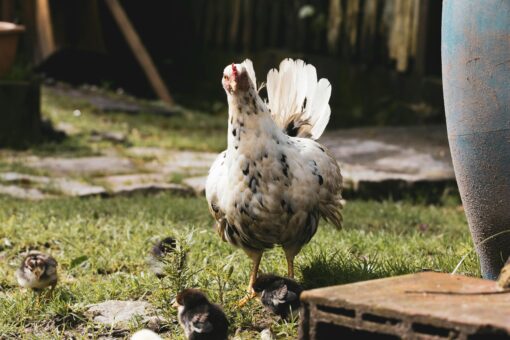
a warm, loving environment is crucial for the health and well-being of every pet.
Whether you are a rabbit, a guinea pig, have a hamster or other small pet, you want to make sure they have a comfortable and safe living environment.
This article discusses many practical tips to ensure that your darling always feels at home. Let's dive into the details!
A spacious living environment
The first step to a happy pet is providing enough space. Many pets tend to find their own dark corner where they can hide and unwind, so make sure there are plenty of options within their living space.
For a rabbit, this means that the cage or run must be large enough for them to hop around and stand upright without hitting their head.
Spending too much time in restraints can lead to behavioral and health problems.
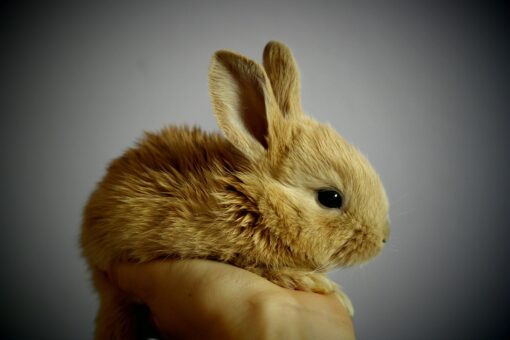
Provide different levels and hiding places, this stimulates their natural behavior!
And remember to always leave room for toys and other distractions, so they don't get bored. When having chickens it is important to look at different oneschicken coops, to find the best living environment for your chickens!
A large cage
A spacious cage is essential for the well-being of your little friend.
For a hamster, for example, this would mean that there are several floors in the enclosure with enough tubes and tunnels in which they can play..
For example, a rabbit needs a nice, spacious cage, therefore it is important to look at different onesrabbit hutches. Always try to choose a cage that is larger than the minimum recommended size for that specific animal.
Extra space doesn't just help with physical health, but also provides the mental stimulation they need.
This reduces the chance of boredom and destructive behavior. Remember to always allow access to fresh drinking water and fresh food!
Make sure everything is clean
A clean living environment is of the utmost importance for the health of your pet. Dirty conditions can cause diseases and infections that can easily be prevented with regular cleaning. This means you cages, sleeping places, food and water bowls must be disinfected regularly.
Use animal-friendly cleaning products for this, because chemicals can be harmful! Replace bedding often and check for mold or damp nesting material that can lead to respiratory problems.
Of course, it's not just for their physical health, but a clean living environment also ensures that your animal feels comfortable in its environment.
Give your animal a lot of attention
Just like people, pets need social interaction. This doesn't just mean that you have to cuddle them or play with them regularly, but also that you observe their behavior to understand what they need.
Your guinea pig may want to get out of its cage and roam freely around the house. Or maybe you notice that your hamster is extra active in the evening and would like to get out of the cage. Several animals enjoy being challenged by interactive games or toys that provide mental stimulation.
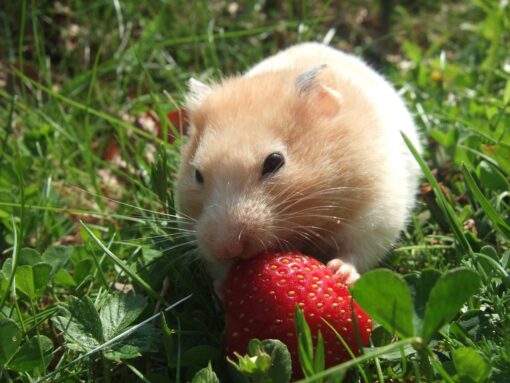
Make sure you spend enough time with your pet and give them the attention they deserve. The bond you build, will not only improve their well-being, but also increase your own joy!
A spacious living environment
The first step to a happy pet is providing enough space. Many pets tend to find their own dark corner where they can hide and unwind, so make sure there are plenty of options within their living space.
For a rabbit, this means that the cage or run must be large enough for them to hop around and stand upright without hitting their head. Spending too much time in restraints can lead to behavioral and health problems.
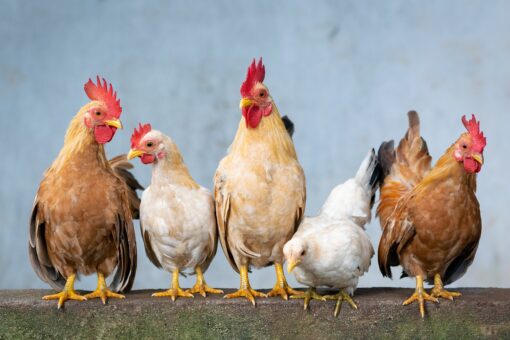
Provide different levels and hiding places, this stimulates their natural behavior! And remember to always leave room for toys and other distractions, so they don't get bored.
When having chickens it is important to look at different oneschicken coops, to find the best living environment for your chickens!
A large cage
A spacious cage is essential for the well-being of your little friend. For a hamster, for example, this would mean that there are several floors in the enclosure with enough tubes and tunnels in which they can play..
For example, a rabbit needs a nice, spacious cage, therefore it is important to look at different onesrabbit hutches. Always try to choose a cage that is larger than the minimum recommended size for that specific animal.
Extra space doesn't just help with physical health, but also provides the mental stimulation they need. This reduces the chance of boredom and destructive behavior. Remember to always allow access to fresh drinking water and fresh food!
Make sure everything is clean
A clean living environment is of the utmost importance for the health of your pet. Dirty conditions can cause diseases and infections that can easily be prevented with regular cleaning. This means you cages, sleeping places, feed- and water bowls must be disinfected regularly.
Use animal-friendly cleaning products for this, because chemicals can be harmful!
Replace bedding often and check for mold or damp nesting material that can lead to respiratory problems.
Of course, it's not just for their physical health, but a clean living environment also ensures that your animal feels comfortable in its environment.
Give your animal a lot of attention
Just like people, pets need social interaction. This doesn't just mean that you have to cuddle them or play with them regularly, but also that you observe their behavior to understand what they need. Your guinea pig may want to get out of its cage and roam freely around the house.
Or maybe you notice that your hamster is extra active in the evening and would like to get out of the cage.
Several animals enjoy being challenged by interactive games or toys that provide mental stimulation.
Make sure you spend enough time with your pet and give them the attention they deserve. The bond you build, will not only improve their well-being, but also increase your own joy!


Leave a Reply