
Whether you are building a new home, carrying out a renovation, or just want to add a few new sockets, there are a number of important things you should take into account.
In this article we take you step by step through the basic principles of electrical work and provide useful tips to work safely and efficiently.
Preparation is key
Before you start installing electricity, good preparation is crucial. Make sure you have a clear plan of what you want to do.
Make a sketch of the room and indicate where the electrical sockets will be located, want to install switches and light points.
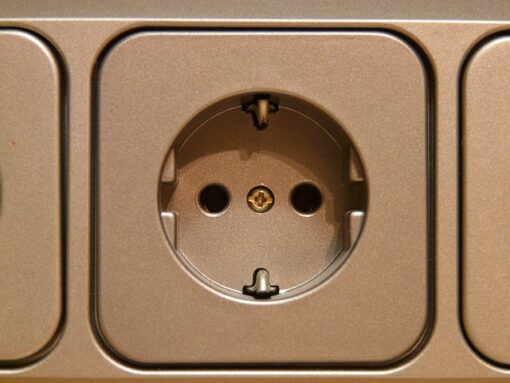
Also determine where the new wiring should go and make sure you have the right materials at home, such as cables, tubes, and mounting materials.
Safety first
Safety is always the top priority when working with electricity. Always switch off the power at the main switch in the meter cupboard before you start.
Use a voltmeter to check that the power is actually off.
Always wear protective clothing and gloves, and use insulated tools to minimize the risk of electric shock.
Choose the right cables and pipes
It is also important to choose the right cables and pipes for your project. A standard cable is usually used for regular sockets and light points. For devices that consume more power, such as an oven or washing machine, you need thicker cables.
Conduits must provide sufficient space for the cables and must be securely attached to the wall or ceiling.
Connecting the meter cupboard
Meter cupboards are where the power enters the house and is distributed to the different circuits.
Make sure you know which distribution box you need and how to connect the wiring correctly. This can be complex, so if you have any doubts, it is wise to consult a professional electrician.
Installation of switches and sockets
The installation of switches and sockets is an important step in the process. Start by pulling the wiring through the conduits to the correct locations. Secure the switches and sockets securely in the flush-mounted boxes and connect the wires correctly.

Working with industrial switches
In some cases, especially in workshops or with heavy equipment, it may be necessary to industrial switches to install.
These switches are designed to handle higher loads and are more robust than standard household switches.
Testing and checking
After you have done the wiring and installed the appliances, it's time to test everything. Turn the power back on and use a voltmeter to check that current is flowing properly through the circuits.
Test all switches and outlets to ensure they are working properly. Pay attention to any flashing lights or strange noises, which may indicate a problem.




Leave a Reply